Not everyone wants to spend their day behind a desk.
Some people would rather work outside, stay active, and spend more time in nature. The good news is that many outdoor jobs pay well. In some cases, they pay just as much as office jobs. A few pay even more.
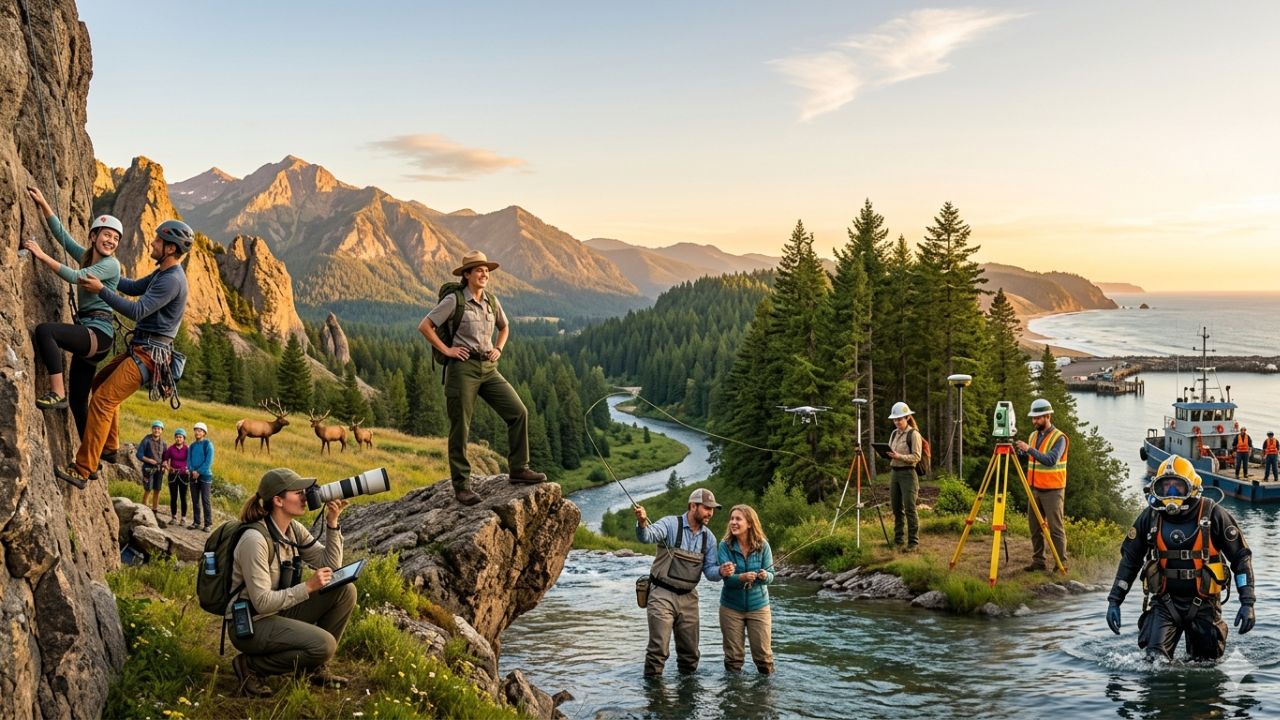
Outdoor careers are available in construction, renewable energy, conservation, transportation, agriculture, science, and public safety. Some require a college degree. Others need only training, certifications, or hands-on experience.
This guide covers outdoor jobs that offer strong pay, good career growth, and the chance to work outside. You'll also learn what each job involves, what qualifications you need, and how much you can expect to earn.
Browse seasonal outdoor jobs with housing
What Are the Highest-Paying Outdoor Jobs?
If your main goal is earning a good income while working outdoors, these careers are worth considering.
|
Job Title |
Average Annual Salary |
|
Commercial Pilot |
$120,000+ |
|
Construction Manager |
$100,000+ |
|
Environmental Engineer |
$95,000+ |
|
Mining Engineer |
$90,000+ |
|
Oil and Gas Field Supervisor |
$90,000+ |
|
Geologist |
$80,000+ |
|
Hydrologist |
$80,000+ |
|
Wind Turbine Technician |
$60,000+ |
|
Lineman |
$75,000+ |
|
Surveyor |
$70,000+ |
Pay varies by location, experience, and employer. Remote jobs, hazardous work environments, and specialized skills often lead to higher salaries.
What Is an Outdoor Job?
An outdoor job is any job where a significant part of the work happens outside rather than inside an office.
Some outdoor workers spend almost all day outside. Others split their time between fieldwork and administrative tasks.
Examples include:
-
Park rangers
-
Construction managers
-
Environmental engineers
-
Surveyors
-
Wildlife biologists
-
Wind turbine technicians
-
Linemen
-
Adventure guides
Outdoor jobs can be physically demanding, but many people find them more rewarding than traditional office work.
Learn: how to land these outdoor roles with our step-by-step guide
Best Jobs in the Outdoors That Pay Well
1. Environmental Engineer
Average Salary: $95,000–$130,000 per year
Environmental engineers solve problems related to pollution, water quality, waste management, and environmental protection.
They often work outdoors collecting samples, inspecting sites, and monitoring projects. They also spend time analyzing data and preparing reports.
What You'll Do
-
Evaluate environmental risks
-
Inspect construction sites
-
Test soil and water quality
-
Develop pollution control systems
-
Ensure compliance with regulations
Education Needed
Most employers require a bachelor's degree in environmental engineering or a related field.
Why It Pays Well
Environmental regulations continue to grow. Companies need qualified professionals who understand both engineering and environmental science.
2. Geologist
Average Salary: $80,000–$120,000 per year
Geologists study the Earth's structure, rocks, minerals, and natural resources.
A large part of the job takes place outdoors. Geologists often travel to remote locations to collect samples and conduct field research.
What You'll Do
-
Analyze rock formations
-
Study groundwater systems
-
Evaluate mining sites
-
Conduct environmental assessments
-
Support energy and construction projects
Education Needed
A bachelor's degree is usually the minimum requirement. Advanced research roles may require a master's degree.
Why It Pays Well
Many industries depend on geological expertise, including mining, construction, environmental consulting, and energy production.
3. Construction Manager
Average Salary: $100,000–$140,000 per year
Construction managers oversee building projects from start to finish.
They spend much of their time outdoors at construction sites coordinating workers, managing schedules, and ensuring projects stay on budget.
What You'll Do
-
Supervise construction crews
-
Manage project timelines
-
Coordinate subcontractors
-
Monitor safety standards
-
Resolve site issues
Education Needed
Many construction managers have degrees in construction management or engineering. Some advance through years of field experience.
Why It Pays Well
Construction projects involve large budgets and strict deadlines. Skilled managers who keep projects on track are highly valued.
4. Commercial Pilot
Average Salary: $120,000–$250,000+ per year
While pilots spend much of their time inside the aircraft, their workplace constantly changes. They travel extensively and work in a highly dynamic environment.
What You'll Do
-
Operate commercial aircraft
-
Monitor flight systems
-
Communicate with air traffic control
-
Ensure passenger safety
-
Manage flight operations
Education Needed
Commercial pilot licenses and flight training are required. A college degree may help but is not always necessary.
Why It Pays Well
The job requires specialized training, responsibility, and experience.
5. Wildlife Biologist
Average Salary: $60,000–$100,000 per year
Wildlife biologists study animals and their habitats.
Many spend weeks working in forests, wetlands, mountains, and other natural environments.
What You'll Do
-
Monitor wildlife populations
-
Conduct field research
-
Track animal movements
-
Collect biological data
-
Support conservation programs
Education Needed
A bachelor's degree in biology, ecology, wildlife science, or a related field.
Why It Pays Well
Organizations need reliable data to manage wildlife populations and protect ecosystems.
Explore conservation and stewardship outdoor opportunities
6. Forester
Average Salary: $60,000–$95,000 per year
Foresters manage forests and natural resources.
They balance conservation goals with commercial activities such as timber production.
What You'll Do
-
Monitor forest health
-
Plan conservation projects
-
Assess wildfire risks
-
Manage timber resources
-
Protect wildlife habitats
Education Needed
Most positions require a forestry degree or related environmental education.
Why It Pays Well
Forests are valuable economic and environmental resources. Skilled professionals help protect and manage them responsibly.
7. Park Ranger
Average Salary: $45,000–$85,000 per year
Park rangers protect public lands and help visitors enjoy outdoor spaces safely.
Many people choose this career because it combines public service with time spent outdoors.
What You'll Do
-
Patrol parks and trails
-
Assist visitors
-
Conduct educational programs
-
Protect natural resources
-
Respond to emergencies
Education Needed
Requirements vary by employer. Some positions require a degree, while others focus on experience and training.
Why People Choose This Career
The pay may not be the highest on this list, but the work environment and benefits often make it attractive.
8. Fish and Game Warden
Average Salary: $50,000–$90,000 per year
Fish and game wardens enforce wildlife laws. They work in forests, lakes, rivers, and rural areas. A big part of the job is protecting animals and making sure hunting and fishing rules are followed.
What You’ll Do
-
Patrol natural areas
-
Check hunting and fishing licenses
-
Investigate wildlife crimes
-
Respond to complaints
-
Help with conservation work
Education Needed
Most agencies prefer a degree in criminal justice, wildlife science, or environmental studies.
Why It Pays Well
It combines law enforcement with outdoor work. The job also includes government benefits in many cases.
9. Surveyor
Average Salary: $60,000–$95,000 per year
Surveyors measure land. They help construction teams, engineers, and government projects understand property boundaries and terrain.
What You’ll Do
-
Measure land and property lines
-
Use GPS and mapping tools
-
Create site reports
-
Support construction planning
-
Check legal boundaries
Education Needed
An associate or bachelor’s degree in surveying or geomatics is common. Some roles require licensing.
Why It Pays Well
Construction and real estate depend on accurate land data. Mistakes are expensive, so skilled surveyors are valued.
10. Wind Turbine Technician
Average Salary: $55,000–$85,000 per year
This is one of the fastest-growing outdoor jobs. You’ll work on wind farms, often climbing tall turbines to inspect and repair equipment.
What You’ll Do
-
Inspect wind turbines
-
Fix mechanical and electrical issues
-
Perform safety checks
-
Maintain power systems
-
Work in remote locations
Education Needed
Most people complete a technical certificate or community college program.
Why It Pays Well
Wind energy is expanding fast. Companies need trained technicians in remote sites.
11. Solar Energy Technician
Average Salary: $50,000–$80,000 per year
Solar technicians install and maintain solar panels on rooftops and solar farms.
What You’ll Do
-
Install solar panels
-
Inspect systems
-
Repair electrical components
-
Work on large outdoor projects
-
Test energy output
Education Needed
Trade school or certification programs are usually enough.
Why It Pays Well
Solar energy demand is growing every year. More installations mean more jobs.
12. Commercial Diver
Average Salary: $70,000–$120,000+ per year
Commercial divers work underwater on construction, repair, and inspection projects. It is one of the more risky outdoor careers, but it pays well.
What You’ll Do
-
Repair underwater structures
-
Inspect pipelines and ships
-
Weld underwater components
-
Support offshore projects
-
Work in marine construction
Education Needed
Specialized diving certification and training are required.
Why It Pays Well
The job is physically demanding and high-risk. Not many people can do it, so pay stays high.
13. Lineman (Electrical Line Worker)
Average Salary: $70,000–$110,000 per year
Lineman work on power lines. They install and repair electrical systems outdoors, often in tough weather conditions.
What You’ll Do
-
Repair electrical lines
-
Install power infrastructure
-
Work on utility poles
-
Respond to outages
-
Maintain safety systems
Education Needed
Apprenticeship programs and technical training are standard.
Why It Pays Well
The work is dangerous and essential. Power systems must stay running, so demand is steady.
14. Arborist
Average Salary: $45,000–$80,000 per year
Arborists care for trees. They trim, remove, and manage trees in cities, parks, and forests.
What You’ll Do
-
Trim and remove trees
-
Inspect tree health
-
Work with climbing equipment
-
Prevent storm damage risks
-
Maintain urban greenery
Education Needed
Certifications in arboriculture or forestry help a lot.
Why It Pays Well
Skilled tree work is dangerous and requires training.
15. Wildland Firefighter
Average Salary: $40,000–$90,000+ per year (can increase with overtime)
Wildland firefighters fight forest and brush fires. This is seasonal work in many regions, but it can become full-time.
What You’ll Do
-
Fight wildfires
-
Clear fire lines
-
Use heavy equipment and hand tools
-
Work in extreme conditions
-
Travel between fire zones
Education Needed
Basic training and physical fitness requirements.
Why It Pays Well
The work is intense and high-risk. Overtime during fire season can significantly increase income.
16. Outdoor Adventure Guide
Average Salary: $35,000–$80,000 per year (varies widely)
Adventure guides lead outdoor trips like hiking, rafting, camping, and climbing.
What You’ll Do
-
Lead outdoor tours
-
Teach safety skills
-
Guide groups in nature
-
Handle equipment
-
Manage emergency situations
Education Needed
Certifications in first aid, survival skills, or guiding programs help.
Why It Pays Well
Income depends on tips, experience, and location. High-tourism areas pay more.
See how to become a fly fishing guide (one of the rewarding outdoor roles)
17. Fly Fishing Guide
Average Salary: $30,000–$90,000+ (seasonal income varies)
Fly fishing guides take clients on fishing trips in rivers and lakes.
What You’ll Do
-
Guide fishing trips
-
Teach fishing techniques
-
Manage boats and gear
-
Track fish locations
-
Work in remote areas
Education Needed
No formal degree required. Experience matters more.
Why It Pays Well
Good guides earn strong tips and repeat clients.
18. Heavy Equipment Operator
Average Salary: $50,000–$90,000 per year
These workers operate machines like bulldozers, cranes, and excavators on construction and mining sites.
What You’ll Do
-
Operate heavy machinery
-
Move earth and materials
-
Work on construction sites
-
Follow safety rules
-
Maintain equipment
Education Needed
Trade school or on-the-job training.
Why It Pays Well
The job requires skill and precision. Construction projects depend on operators.
19. Agricultural Manager
Average Salary: $55,000–$100,000 per year
Agricultural managers run farms and food production operations.
What You’ll Do
-
Manage farm operations
-
Supervise workers
-
Plan planting and harvesting
-
Handle equipment and budgets
-
Improve crop production
Education Needed
Agriculture or business-related degrees help, but experience also works.
Why It Pays Well
Large farms operate like businesses. Good management increases profit.
20. Marine Biologist
Average Salary: $55,000–$110,000 per year
Marine biologists study ocean life. Fieldwork often happens on boats, beaches, and coastal environments.
What You’ll Do
-
Study marine animals
-
Collect ocean samples
-
Conduct field research
-
Analyze ecosystems
-
Support conservation efforts
Education Needed
Bachelor’s degree at minimum. Advanced roles may require higher education.
Why It Pays Well
Research institutions and environmental organizations need experts in ocean science.
21. Mining Engineer
Average Salary: $80,000–$130,000 per year
Mining engineers plan and manage mining operations. A lot of the work happens at mining sites, often in remote outdoor locations.
What You’ll Do
-
Plan mining operations
-
Inspect sites
-
Ensure safety standards
-
Work with extraction teams
-
Monitor environmental impact
Education Needed
Bachelor’s degree in mining engineering or related field.
Why It Pays Well
Mining projects are large and expensive. Skilled engineers are essential to keep operations safe and profitable.
22. Oil and Gas Field Supervisor
Average Salary: $85,000–$140,000 per year
These supervisors manage teams working on oil and gas sites. The job is mostly outdoors and often in remote areas.
What You’ll Do
-
Supervise field crews
-
Monitor drilling operations
-
Enforce safety rules
-
Handle equipment issues
-
Report production data
Education Needed
Experience in oil and gas work helps more than formal education, but degrees in engineering or petroleum studies are useful.
Why It Pays Well
The industry runs on high-value resources. Skilled supervisors reduce risk and downtime.
23. Hydrologist
Average Salary: $70,000–$110,000 per year
Hydrologists study water. They spend time outdoors collecting data from rivers, lakes, and groundwater sources.
What You’ll Do
-
Measure water flow
-
Study floods and droughts
-
Collect field samples
-
Analyze water systems
-
Support environmental planning
Education Needed
Bachelor’s degree in hydrology, geology, or environmental science.
Why It Pays Well
Water management is critical for cities, agriculture, and climate planning.
24. Landscape Architect
Average Salary: $60,000–$100,000 per year
Landscape architects design outdoor spaces like parks, campuses, and public areas.
What You’ll Do
-
Design outdoor spaces
-
Visit construction sites
-
Work with engineers and planners
-
Plan green spaces
-
Oversee project execution
Education Needed
Bachelor’s or master’s degree in landscape architecture.
Why It Pays Well
Cities invest heavily in public spaces and sustainable design.
25. Environmental Consultant
Average Salary: $65,000–$120,000 per year
Environmental consultants help companies follow environmental laws and reduce impact.
What You’ll Do
-
Inspect sites
-
Assess environmental risks
-
Write reports
-
Recommend solutions
-
Work with construction and industry teams
Education Needed
Environmental science or related degree.
Why It Pays Well
Companies need to avoid fines and meet regulations.
Outdoor Jobs That Pay Well Without a Degree
Not every high-paying outdoor job needs a university degree. Some only require training, certifications, or apprenticeships.
Good Options Include:
-
Wind turbine technician
-
Solar technician
-
Lineman
-
Heavy equipment operator
-
Arborist
-
Commercial diver
-
Adventure guide
Why These Jobs Pay Well
-
Physical risk
-
Technical skill
-
Shortage of trained workers
-
Remote work conditions
Simple Path to Start
-
Choose one field
-
Get basic certification or training
-
Apply for entry-level roles
-
Build experience on the job
Highest Paying Seasonal Outdoor Jobs
Some outdoor jobs are seasonal but still pay well, especially with overtime or tips.
Summer Jobs
-
National park staff
-
Adventure guides
-
Fishing guides
-
Construction helpers
Winter Jobs
-
Ski resort staff
-
Snow guides
-
Mountain rescue support
Reality Check
Seasonal work can be unstable. But some people combine multiple seasonal jobs to earn year-round income.
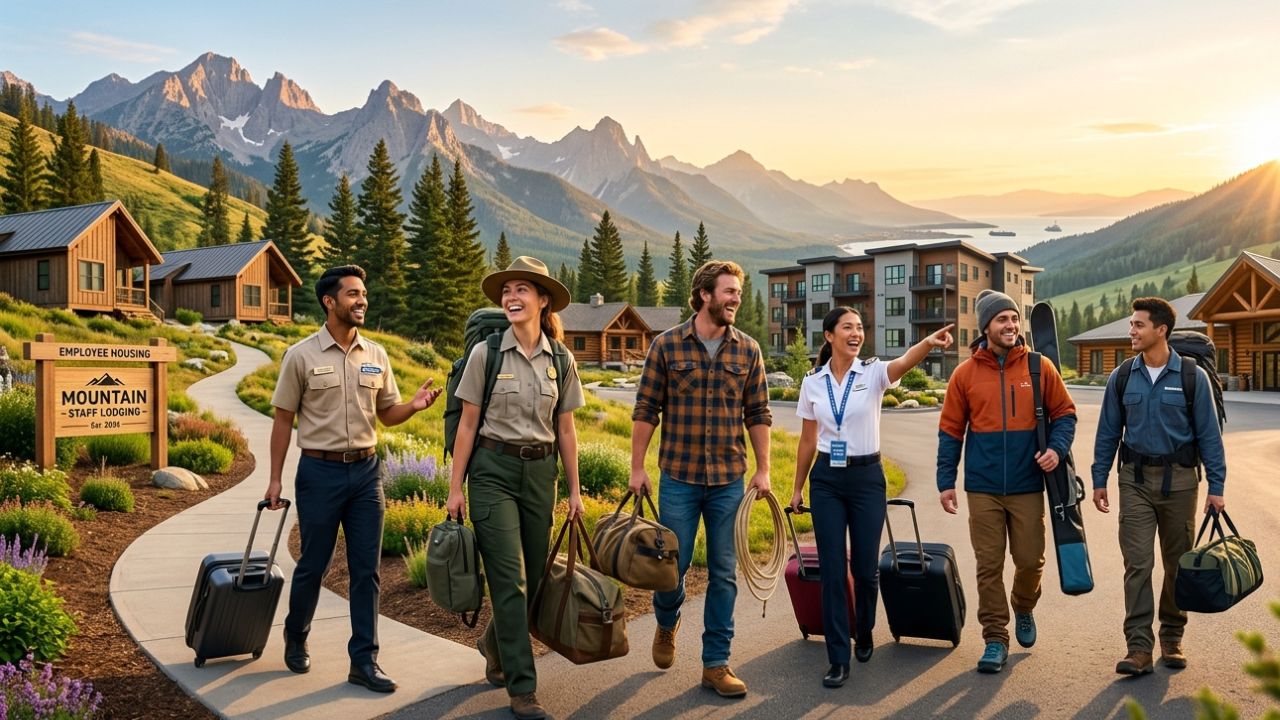
Outdoor Jobs With Housing Included
Some employers provide housing, especially in remote areas.
Common Employers
-
National parks
-
Fishing lodges
-
Ranches
-
Remote construction projects
-
Conservation programs
Why It Matters
Housing reduces living costs. It also makes remote jobs more practical.
How to Get a High-Paying Outdoor Job
Step 1: Pick a direction
Don’t try everything. Choose one path like energy, conservation, or construction.
Step 2: Get basic training
Certifications often matter more than degrees in many outdoor jobs.
Step 3: Start small
Entry-level roles are common. Field experience matters more than theory.
Step 4: Build physical readiness
Many outdoor jobs require stamina and safety awareness.
Step 5: Apply widely
Use job boards focused on outdoor work and government listings.
Skills Employers Look For
Technical Skills
-
Equipment handling
-
GPS and mapping tools
-
Safety procedures
-
Field reporting
Soft Skills
-
Reliability
-
Communication
-
Problem solving
-
Working in teams
FAQ: Jobs in the Outdoors That Pay Well
What outdoor job pays the most?
Commercial pilots, construction managers, and oil and gas supervisors are among the highest paying.
Can you make six figures working outdoors?
Yes. Engineering, aviation, energy, and construction roles can reach six figures.
What outdoor jobs don’t require a degree?
Wind turbine technician, lineman, heavy equipment operator, and adventure guide.
Are outdoor jobs physically hard?
Many are. Some also involve risk or long hours outside.
What outdoor jobs offer housing?
National parks, ranches, fishing lodges, and remote project sites often provide housing.
Conclusion
Outdoor work is not just low-wage physical labor. Many outdoor careers pay well and offer long-term stability.
Some need degrees. Some only need training. What matters more is picking a direction and getting started.
If you want to work outside and earn a solid income, there are real paths in energy, construction, science, and conservation. You just need to choose one and build from there.