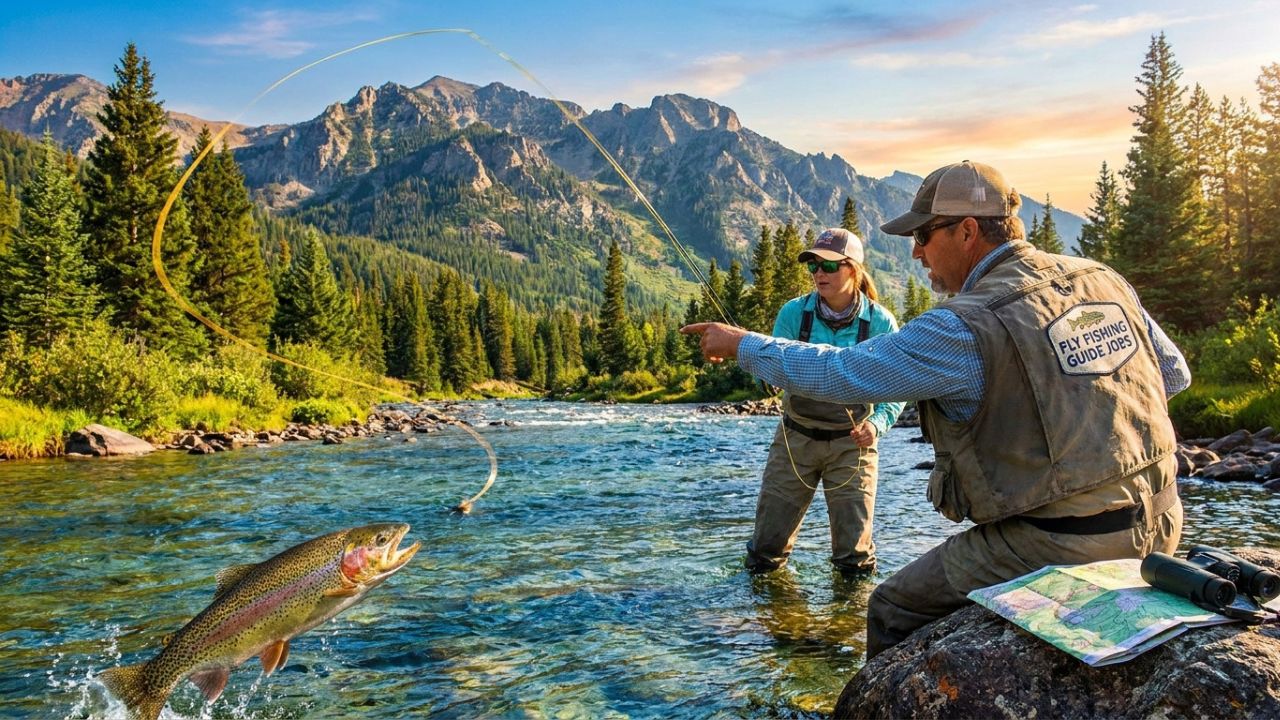
For many anglers, spending every day on the water sounds like a dream. In 2026, fly fishing guide jobs continue to attract people who want outdoor work, flexible schedules, and a career built around fishing.
But guiding is more than catching fish.
A good guide teaches beginners, keeps clients safe, rows boats, studies water conditions, and creates a great experience for every person on the trip.
If you're thinking about becoming a fly fishing guide, this guide covers what the job involves, how licensing works, what guides earn, and where to find your first job.
What Is a Fly Fishing Guide?
A fly fishing guide is a professional who helps clients catch fish using fly fishing techniques.
Guides plan trips, provide instruction, select flies, handle equipment, navigate rivers or lakes, and ensure client safety throughout the day.
Many clients have little or no fly fishing experience. Others are skilled anglers looking for local knowledge. A guide needs to work well with both.
Float Guide vs. Wade Guide vs. Stillwater Guide
Float Guide
Float guides use drift boats, rafts, or other watercraft to move clients through rivers. They row, navigate currents, and position anglers for productive fishing.
Wade Guide
Wade guides walk rivers with clients. These trips focus on reading water, casting instruction, and fishing specific sections of a stream.
Stillwater Guide
Stillwater guides specialize in lakes and reservoirs. They often use boats and focus on different techniques than river guides.
Who Hires Fly Fishing Guides?
Guides can work for:
-
Fly fishing outfitters
-
Destination lodges
-
Fly shops
-
Resorts
-
Independent guide businesses
Many guides start with an outfitter before building their own client list.
Is It a Career or a Seasonal Job?
Both.
Many people guide seasonally during peak fishing months and work other jobs during the off-season.
Others build full-time careers by guiding year-round, teaching casting lessons, hosting workshops, selling gear, and traveling between seasonal fisheries.
How to Find Seasonal Jobs in 2026: A Step-by-Step Guide
How to Become a Fly Fishing Guide: Step-by-Step
Step 1 — Master the Craft
Before anyone hires you, you need strong fishing and teaching skills.
Casting Skills Checklist
You should be comfortable with:
-
Double haul casting
-
Roll casting
-
Reach casts
-
Mending line
-
Fishing in wind
-
Accuracy at different distances
Fish Reading Skills
Successful guides understand:
-
Insect hatches
-
Basic entomology
-
River structure
-
Water temperatures
-
Seasonal fish behavior
-
Reading currents and holding water
Teaching Ability Matters
Many first-time guides focus only on fishing.
Outfitters often care just as much about teaching.
Your clients may be:
-
First-time anglers
-
Families with children
-
Corporate groups
-
Experienced fly fishers
Being patient and clear is often more important than being the best caster on the river.
Step 2 — Get Your Guide License
Licensing requirements vary by state, river system, and whether you operate a boat.
U.S. Coast Guard License
If you guide clients on certain navigable waters using a motorized vessel, you may need a Coast Guard Operator License.
Typical requirements include:
-
360 days of documented boating experience
-
90 days within the previous 12 months
-
Medical examination
-
Drug screening
-
Background review
-
Approved safety training
CPR and First Aid Certification
Many states require current CPR and First Aid certification.
States commonly requiring these certifications include:
-
Colorado
-
Montana
-
New York
-
Oregon
Even when not required, outfitters often expect them.
State Outfitter and Guide Licenses
Examples include:
Montana
Colorado
New York
Oregon
-
Oregon State Marine Board and guide licensing requirements
Always check current regulations before applying.
Boater Safety Courses
Some states require approved boating safety courses before licensing.
Examples include:
-
New York
-
Oregon
Liability Insurance
Independent guides usually need liability insurance.
Many outfitters also require proof of coverage before allowing guides to operate under their business.
Step 3 — Consider Guide School
Guide schools can help shorten the learning curve.
Popular programs include:
-
Sweetwater Travel Guide School
-
Hubbard's Yellowstone Lodge Guide School
-
Vail Valley Anglers Guide School
-
Kirk's Fly Shop Guide School
What Guide School Teaches
Most programs cover:
-
Casting instruction
-
Boat handling
-
River safety
-
Client management
-
Entomology
-
Professional guiding practices
What You'll Learn on the Water
Guide schools help, but experience matters more.
You'll still need real days on the river handling weather, difficult clients, equipment issues, and changing conditions.
Cost
Most programs cost between:
$1,500 to $5,000
Costs often include:
-
Instruction
-
Equipment use
-
River training
-
Certification assistance
Do You Need Guide School?
Not necessarily.
Many successful guides never attended one.
Guide school can help you get hired faster if you're new to the industry. But time on the water remains the most valuable teacher.
Step 4 — Land Your First Guiding Job
How to Apply
Keep your application simple.
Crafting a Resume for Seasonal Job Success: Tips & Tricks
Highlight:
-
Fishing experience
-
Customer service experience
-
Safety certifications
-
Local knowledge
A short, direct cover letter works better than a long one.
Be Willing to Do Entry-Level Work
Most new guides don't start with premium trips.
You may spend time:
-
Cleaning boats
-
Organizing gear
-
Driving clients
-
Assisting senior guides
This is normal.
Best States for Entry-Level Guide Jobs
Several states consistently hire new guides:
-
Montana
-
Colorado
-
Alaska
-
Wyoming
These areas have strong guide demand and large outfitting industries.
Where to Find Job Listings
Look at:
-
FlyGuideJobs.com
-
Outfitter websites
-
Fly shop bulletin boards
-
Regional guide associations
-
Fishing forums
Independent Guide or Outfitter?
Most beginners should work for an outfitter first.
You'll gain:
-
Experience
-
Clients
-
Safety knowledge
-
Professional references
Going independent becomes much easier later.
Fly Fishing Guide Salary & Pay: What to Really Expect
Average Salary
National salary estimates generally fall between:
-
$41,000 and $46,000 annually
Depending on location, experience, and season length, earnings can vary widely.
Top Earners
Experienced guides working premium destinations can earn:
-
$77,500 to $83,000 or more annually
Entry-Level vs. Experienced Guide
|
Experience |
Typical Income |
|
Beginner |
$25,000-$40,000 |
|
Mid-Career |
$40,000-$60,000 |
|
Experienced |
$60,000-$80,000+ |
Tips: The Hidden Income Layer
Tips often make a huge difference.
Many guides receive:
-
$50-$60 per person per day
On busy trips, tips can add hundreds of dollars to daily earnings.
Example
A full-day float trip may include:
-
$400 guide day rate
-
$100-$200 in tips
Total daily earnings can reach:
$500-$600 or more
How to Earn Bigger Tips
The best-tipping guides focus on:
-
Teaching clients effectively
-
Staying positive when fishing is slow
-
Remembering client names
-
Taking quality photos
-
Communicating clearly
-
Solving problems before clients notice them
Many clients tip for the experience, not the fish count.
Highest-Paying States and Cities
Top-paying states often include:
-
Washington
-
New York
-
Alaska
-
California
Well-known high-paying locations include:
-
Aspen, Colorado
-
Sitka, Alaska
-
Berkeley, California
Year-Round vs. Seasonal Income
Many guides earn most of their income during a short season.
This makes offseason planning important.
How to Earn More as a Guide
Workshops and Group Lessons
Example:
-
$125 per person
-
6 students
That's $750 in one day.
Additional Revenue Streams
Many successful guides offer:
-
Fly tying classes
-
Casting instruction
-
Gear sales
-
Online coaching
-
Hosted fishing trips
Build a Repeat Client Base
Repeat customers are often the foundation of a successful guiding career.
One loyal client may book multiple trips every year and refer friends.
Independent vs. Lodge Employed
Independent guides often earn more per trip.
But they also handle:
-
Marketing
-
Insurance
-
Scheduling
-
Equipment costs
Outfitters provide more stability but usually take a share of trip revenue.
Fly Fishing Guide License by State
Why Licensing Varies
Guide regulations can come from:
-
Federal agencies
-
State governments
-
Local authorities
Requirements vary widely.
Coast Guard License
Needed for some navigable waters when operating commercial vessels.
State Licensing Examples
|
State |
CPR/First Aid |
License Required |
Typical Processing |
|
Montana |
Yes |
Yes |
Several weeks |
|
Colorado |
Often Required |
Varies |
Several weeks |
|
Wyoming |
Varies |
Local Rules |
Varies |
|
Alaska |
Often Required |
Business Requirements |
Varies |
|
Oregon |
Yes |
Yes |
Several weeks |
Does Licensing Transfer Between States?
Usually not.
Holding a Montana license may help your resume, but you often need separate approvals when working in another state.
Always verify state-specific requirements before accepting work.
What Outfitters Actually Look For
Many applicants assume fishing skill is everything.
It isn't.
1. People Skills
Guides spend all day with clients.
Patience and communication matter.
Especially when guiding:
-
Families
-
Children
-
First-time anglers
2. Strong Work Ethic
Guiding can involve:
-
Early mornings
-
Long days
-
Consecutive trips
-
Equipment maintenance
Outfitters notice reliability quickly.
3. Professionalism
Good guides:
-
Show up on time
-
Communicate clearly
-
Stay organized
-
Present themselves professionally
Common Red Flags
-
Poor communication
-
No safety certifications
-
Refusing entry-level responsibilities
-
Acting like they already know everything
Seasons, Schedules & Lifestyle Realities
Season Length by Region
Great Smoky Mountains
Fishing opportunities exist nearly year-round.
Colorado
Most guiding activity runs from late winter through mid-fall.
Alaska
Summer is the primary season.
Many guides earn most of their annual income during a few busy months.
Off-Season Income Strategies
Many guides supplement income through:
-
Fly shop retail work
-
Fly tying
-
Casting instruction
-
Hunting guide work
-
Traveling to different fisheries
Daily Schedule of a Fly Fishing Guide
A typical day may include:
-
Pre-dawn preparation
-
Loading gear
-
Meeting clients
-
Half-day or full-day trips
-
Cleaning equipment
-
Trip reports
-
Scheduling future bookings
Physical Demands
The work can be demanding.
Guides spend long hours:
-
Wading rivers
-
Carrying gear
-
Standing in boats
-
Rowing drift boats
Good physical fitness helps.
Where to Find Fly Fishing Guide Jobs Right Now
Best Job Resources
Start with:
-
Orvis partner lodges
-
State fly fishing associations
-
Outfitter websites
-
Fly shop job boards
The Cold-Application Method
Many guides get hired by contacting outfitters directly.
Send:
-
Resume
-
Short cover letter
-
Certifications
-
Availability
Apply broadly.
One application rarely lands a job.
Twenty or thirty applications often do.
Best Areas for Entry-Level Jobs
Strong entry-level opportunities often exist in:
-
Great Smoky Mountains
-
Montana
-
Colorado
-
Wyoming
Build an Online Presence
Many clients research guides before booking.
Useful platforms include:
-
Instagram
-
YouTube
-
Personal websites
Share:
-
Fishing reports
-
Educational content
-
Photos
-
Client success stories
Build a Client Database Early
Track:
-
Client names
-
Contact information
-
Trip history
Repeat customers are often your most valuable marketing asset.
When Should You Go Independent?
Consider it when:
-
You have repeat clients
-
You understand local regulations
-
You have insurance
-
You can consistently generate bookings
For most guides, this happens after several seasons working for an outfitter.
Frequently Asked Questions
How long does it take to become a fly fishing guide?
Most people need one to three years of consistent fishing experience, training, and networking before landing regular guide work.
Do you need a license to be a fly fishing guide?
In many locations, yes. Requirements depend on the state, waterway, and whether you operate a boat.
How much do fly fishing guides make in tips?
Many guides receive $50 to $60 per client per day, though tips can be much higher on premium trips.
What is the best state to work as a fly fishing guide?
Montana, Colorado, Alaska, Washington, and New York are among the strongest states for guide opportunities and earning potential.
Can fly fishing guiding be a full-time career?
Yes. Many guides build year-round income through guiding, instruction, workshops, retail sales, and repeat clients.
How do I find fly fishing guide jobs near me?
Start with local outfitters, fly shops, state fishing associations, and specialized job boards such as FlyGuideJobs.com. Direct outreach is often the fastest way to find openings.