
Taking a gap year? Good. It might be the smartest thing you do.
But here's the thing — sitting on a beach for 12 months burning through savings isn't a gap year. That's just expensive. The people who get the most out of their time off are the ones who find work that pays for the adventure while being the adventure.
That's what this guide is about. Real gap year jobs. What they are, where to find them, how much they pay, and how to land one — even with no experience.
What Are Gap Year Jobs?
Gap year jobs are short-term roles — usually 2 to 6 months — that let you work in a specific location, earn money, and move on when the season ends. They're popular with:
-
Recent high school and college graduates
-
People between career changes
-
Anyone who wants to travel but needs an income to do it
Most gap year jobs are in hospitality, outdoor recreation, and conservation. Many include housing, which cuts your living costs dramatically. Some even throw in meals and access to activities like skiing, hiking, or kayaking.
You don't need a fancy résumé. You need to show up ready to work.
Why Take a Gap Year Job Instead of Just Traveling?
Money is the obvious answer. But it's not the only one.
Working somewhere for a season means you actually live there — not just pass through. You build friendships that last. You learn what it's like to guide a raft down a river, wrangle horses on a ranch, or serve guests at a lodge steps from a national park.
And you do all of this without draining a bank account.
Here's what a gap year job gives you:
-
Income — Earn while you travel instead of spending your savings
-
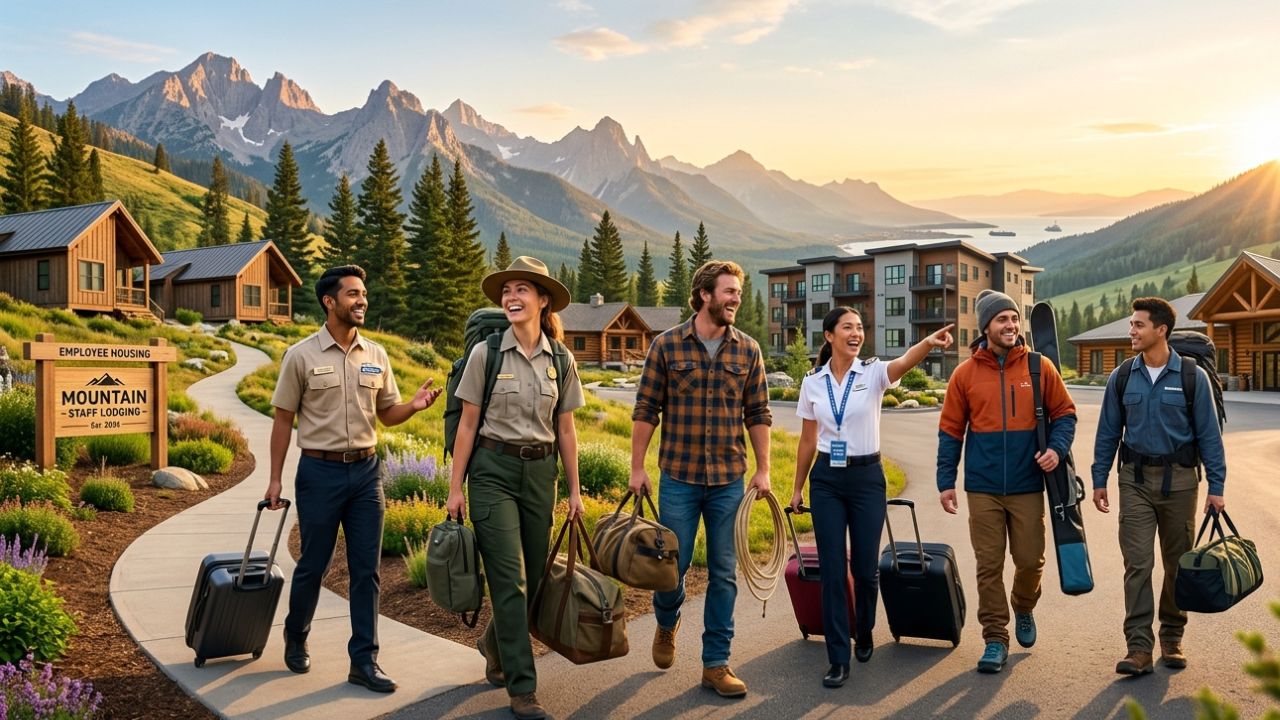
Free or subsidized housing — Many seasonal jobs with housing cut your biggest expense
-
Real work experience — Skills in hospitality, outdoor ed, and customer service transfer well
-
Community — You're surrounded by people doing the same thing. Friendships form fast.
-
Time to figure things out — A gap year gives you space to think without financial panic
10 Best Gap Year Jobs (And What They Actually Pay)
1. Resort and Lodge Staff
Jobs at mountain lodges, lakefront resorts, and backcountry retreats are some of the most popular gap year options. You can work as a front desk agent, housekeeper, maintenance crew, or restaurant server.
Most resorts include housing and meals. Some offer access to ski lifts, equipment rentals, or outdoor activities for free or at a discount.
Pay range: $14–$20/hour, plus tips for front-of-house roles
Best for: People who like people and don't mind a fast-paced environment
Browse resort jobs on VagaJobs →
2. Ranch Hand / Wrangler
Ranch jobs are underrated. You wake up somewhere remote and beautiful, work with horses or cattle, and often live on the property. Guest ranches in Wyoming, Montana, and Idaho regularly hire wranglers, kitchen staff, and hospitality workers.
No prior ranch experience? Some ranches train you. But a love for the outdoors and a willingness to work physical jobs helps a lot.
Pay range: $13–$18/hour, often with housing and meals included
Best for: People who want a rugged, outdoor experience far from city life
Browse ranch jobs →
3. Outdoor Guide
This one takes more skill — but not always formal training. Hiking guides, kayaking instructors, and rafting guides are in high demand at parks and outdoor outfitters across the country.
Entry-level guiding jobs usually involve assisting a lead guide while you learn. Certifications like Wilderness First Responder (WFR) or swift water rescue are a plus, but not always required to start.
Pay range: $15–$25/hour, depending on certification and type
Best for: Physically active people who enjoy leading groups
4. National Park Jobs
Working near a national park is its own reward. Jobs range from retail at visitor centers to campground hosting to trail crew work. Jobs near national parks exist across dozens of parks — Yellowstone, Zion, Glacier, Grand Teton, and more.
Some roles are with park concessionaires (private companies that operate inside the parks). Others are with nonprofits or park associations. Housing is common.
Pay range: $13–$18/hour
Best for: Anyone who wants nature as their backyard
5. Summer Camp Counselor
Summer camps hire hundreds of staff every season — and the range of roles is wide. Cabin counselors, activity specialists (climbing, archery, canoeing), kitchen staff, and program directors all work together in a tight-knit community.
It's intense. But it's also one of the most meaningful gap year experiences people report. You live on-site, meals are covered, and you build real relationships.
Pay range: Stipend-based, often $300–$600/week plus full room and board
Best for: People who work well with kids and like structured outdoor communities
6. Ski Resort Staff
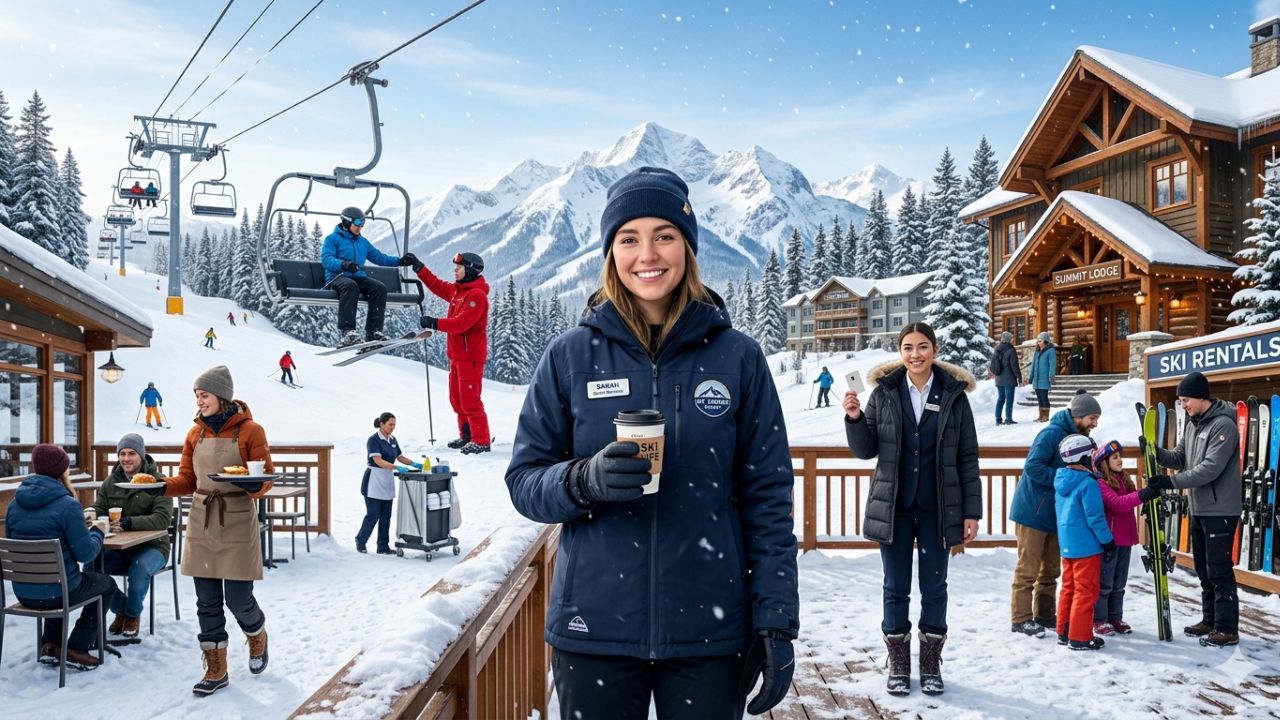
Winter gap years are a thing. Ski resorts across Colorado, Utah, Vermont, and beyond hire for ski patrol, lift operations, rental shops, food and beverage, and more.
Many resorts offer free or discounted ski passes to employees. Staff housing is often on-mountain or nearby. If you're a skier or snowboarder, this is the job.
Pay range: $15–$22/hour
Start applying: August and September for winter seasons
7. Restaurant and Bar Worker
Every resort, lodge, ranch, and park needs people to cook, serve, and manage its food and beverage operation. If you have any restaurant experience at all, this is one of the easiest ways to land a gap year job.
Bartenders and servers at destination restaurants or resort bars can earn significant tips on top of base pay.
Pay range: $13–$17/hour base, plus tips
Best for: Experienced food and beverage workers who want to keep earning while moving
8. Conservation and Trails Crew
If you want your gap year to mean something beyond personal adventure, conservation work delivers. Trails crews, habitat restoration projects, and environmental education programs hire year-round.
Some positions are volunteer or stipend-based (like AmeriCorps programs). Others are paid. Many include housing in remote and spectacular locations.
Pay range: $13–$18/hour, or stipend; some include AmeriCorps education awards
Best for: People who care about the environment and want physical outdoor work
9. Housekeeping and Facilities
These roles are often overlooked but they're actually great gap year options. Housekeeping at a national park lodge or mountain resort gets you full housing, steady pay, and a community of seasonal workers — without needing customer-facing experience.
Facilities and maintenance jobs are similar. If you can fix things or have any trade experience, these roles are worth applying for.
Pay range: $14–$19/hour, usually with housing
Best for: People who want stability and low-pressure work in a scenic setting
10. Social Media and Photography Roles
Some employers — especially outdoor outfitters and boutique lodges — hire for seasonal content creation. If you're good with a camera or can shoot and edit short-form video, this is worth looking into.
It's competitive, but the lifestyle is hard to beat. You're documenting adventures for a living.
Pay range: Varies widely; $15–$25/hour or project-based
Best for: Creative people with a portfolio and social media skills
How to Find Gap Year Jobs That Include Housing
Housing is the biggest cost of any gap year. Finding a job that includes it can save you $800–$2,000+ per month.
Here's how to find them:
-
Use a specialized job board. General job sites like Indeed don't filter well for this. VagaJobs lists seasonal jobs with housing specifically — you can filter by location, season, industry, and housing type.
-
Apply early. Summer jobs start filling up in January and February. Winter resort jobs fill in September and October. Waiting until the season starts means limited options.
-
Read the job description carefully. Housing setups vary. Some employers offer free on-site housing. Others offer subsidized dorms or a housing stipend. Know what you're getting before you accept.
-
Contact employers directly. If you see an employer you like but their housing situation isn't clear, email them. Many seasonal employers are small enough that a direct message goes a long way.
Browse all jobs with housing on VagaJobs →
How to Apply for Gap Year Jobs: Step by Step
Step 1: Build a simple profile
You don't need a polished résumé. A clear, honest profile with your work history, availability, and what you're looking for is enough to start. Create a free VagaJobs profile →
Step 2: Know your dates
Seasonal employers need to know when you're available and for how long. Be specific. "Available June 1 through September 15" is more useful than "available this summer."
Step 3: Apply to multiple jobs
Don't put all your effort into one application. Apply to 5–10 jobs across different locations. You'll increase your odds and have options if one falls through.
Step 4: Follow up
Seasonal hiring moves fast but it's also human. If you haven't heard back in two weeks, a short, polite follow-up email is appropriate. Employers notice applicants who actually want the job.
Step 5: Read everything before you accept
Check housing details, start and end dates, pay rate, any fees for housing, and what happens if you need to leave early. Ask questions before you commit.
Tips to Make the Most of Your Gap Year Job
-
Say yes to things. The best gap year stories come from doing something outside the job description — hiking a trail on your day off, learning to snowboard, helping with an event.
-
Save some of what you earn. It's easy to spend everything on experiences. Set aside at least 20–30% for what comes after.
-
Build your network. The people you work with in a seasonal job often open doors to the next one. Stay in touch.
-
Document it. Not just for Instagram — for your future self and your résumé. What did you do? What did you learn? You'll be asked.
For more tips on getting the most out of seasonal work, read the VagaJobs blog →
External Resources Worth Knowing
-
WorkingAbroad.com — Information on international seasonal and volunteer work
-
AmeriCorps.gov — Conservation and service programs with housing stipends and education awards
-
CoolWorks — Another job board focused on outdoor and seasonal work (non-affiliated with VagaJobs)
-
NPS.gov Jobs — Official federal job listings including National Park Service positions
Frequently Asked Questions About Gap Year Jobs
1. Do I need experience to get a gap year job?
Not always. Many entry-level positions — housekeeping, dishwashing, campground hosting, ranch hand work — hire with no prior experience. What matters more is your attitude, availability, and willingness to commit for a full season. That said, jobs like outdoor guiding, bartending, or cooking require real skills. Be honest about what you can do.
2. How much money can I save during a gap year job?
It depends on the job and your spending habits. If your housing and meals are covered, it's genuinely possible to save $1,000–$3,000+ per month on a modest salary. Some seasonal workers save $10,000–$15,000 in a single season. Others spend everything on experiences. Either is a choice — just make it consciously.
3. Can I do more than one gap year job in a single year?
Yes — and many people do. A summer ranch job in Wyoming followed by a winter ski resort job in Colorado is a common pattern. The key is planning your transitions. Make sure your end date on one job overlaps enough with the start date on the next to give yourself time to travel and settle in.
4. Are gap year jobs safe for solo travelers?
Generally, yes. Seasonal employers who provide housing are essentially building small communities of workers. You're not arriving somewhere alone — you're joining a team. Most people find the social side of seasonal work one of its best features. That said, do your research on any employer before committing. Read reviews, check their listing carefully, and ask questions.
5. When should I start looking for a gap year job?
As early as possible. For summer jobs: start in December or January. For winter ski season jobs: start in August or September. If you're flexible on location, you can find something last-minute — but the best jobs with the best housing go fast. Set up alerts onVagaJobs to get notified when new listings match what you're looking for.
Ready to Start?
Gap year jobs aren't a backup plan. For a lot of people, they're the best year of their life.
You earn money. You live somewhere new. You meet people who are doing the same thing. And when the season ends, you do it again somewhere else — or you take what you learned and carry it forward.
The only thing between you and that is finding the right job.