What Are Seasonal Jobs?
A seasonal job is short-term work that repeats at roughly the same time each year. Companies hire extra people when demand spikes — think ski resorts in winter, national parks in summer, or retailers before the holidays.
It's not just filler work. Many seasonal roles pay well, offer free housing, and put you in places most people only visit on vacation. A lot of people do this on purpose — work for a few months, travel, then pick up the next gig somewhere new.
If you want to start your journey, check our current summer job openings with housing right now.
Seasonal vs. temporary work
These two get mixed up a lot. Seasonal jobs follow a predictable calendar — they happen every summer, every winter, every harvest. Temp jobs are more random and can pop up anytime. Seasonal work is easier to plan around because you know when it starts and ends.
Can a seasonal job turn permanent?
Yes, and it happens more than you'd think. Employers often use seasonal roles to scout talent. If you show up, work hard, and fit in, many will ask you to stay — or at least bring you back next season.
Best Industries Hiring Seasonal Workers
Some sectors run almost entirely on seasonal staff. These are the ones worth knowing about.
National Parks and Outdoor: Recreation Guides, rangers, trail crew, hospitality staff. Summer is the busiest window, but some parks hire for winter programs too. Concessionaires like Xanterra and Delaware North hire thousands each year.
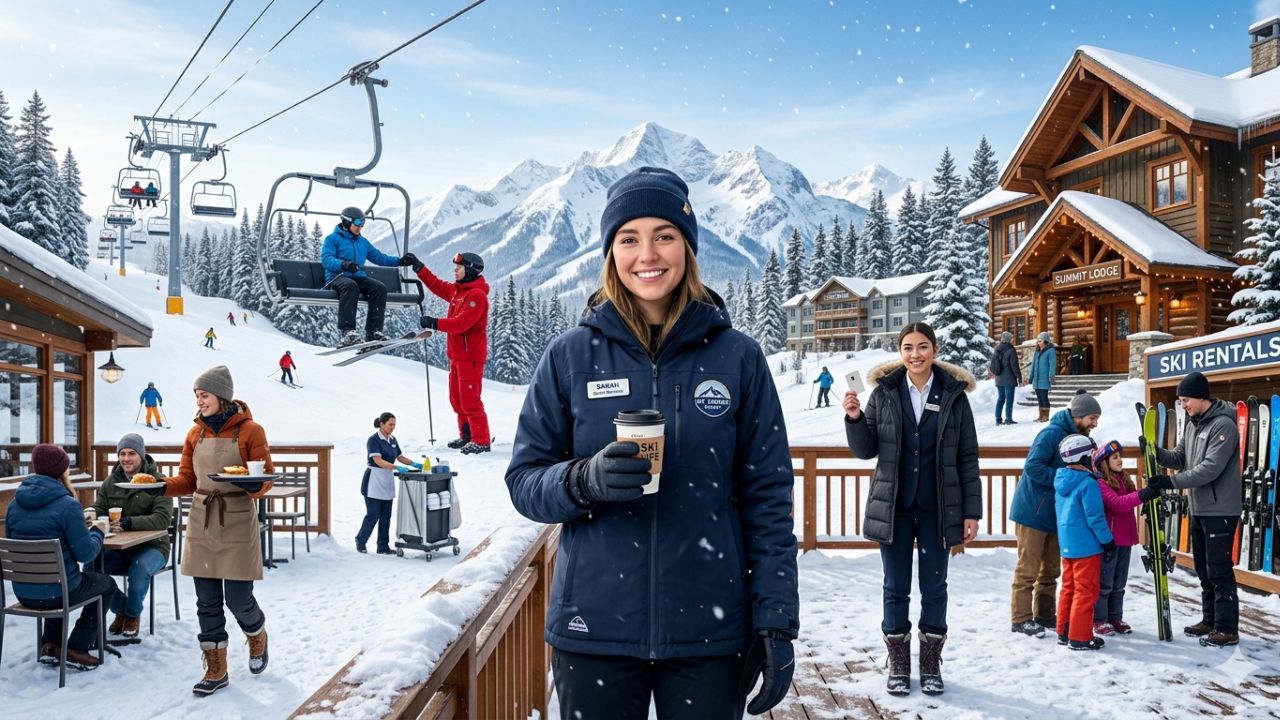
Ski Resorts: Lift operators, ski and snowboard instructors, lodge staff, rentals, ski patrol. Most winter seasons run November through April. Many resorts offer employee housing and free lift passes.
Hospitality and Tourism: Hotels, beach resorts, cruise lines, theme parks. Both summer and holiday seasons drive big hiring pushes. Customer service experience helps, but many entry-level roles need no prior background.
Agriculture and Farming: Harvesting, planting, fruit picking, packing. Spring and fall are the heaviest periods. Some operations provide on-site housing, especially in remote areas.
Retail and E-commerce: Store floor, warehouse, delivery, customer support. The holiday season — roughly October through January — is when Amazon, UPS, Target, and hundreds of other retailers hire at scale.
Construction: Project-based work tends to peak in spring and fall in most climates. Physical work, often outdoors, with solid hourly pay.
Summer Camps and Recreation: Counselors, activity leaders, waterfront staff, kitchen crew. Runs mostly June through August. Many camps include housing and meals as part of the deal.
Events and Entertainment: Music festivals, sports venues, holiday fairs, convention centers. Highly varied in timing but great for short stints if you like a fast-paced environment.
When Companies Recruit Seasonal Workers
Timing is everything in seasonal hiring. Apply too late and the good roles are gone. Here's roughly when employers open up positions throughout the year.
January–February: Summer camp and outdoor recreation employers post early. National park concessionaires often start hiring in January for roles that don't begin until May or June.
February–April: Summer resort and hospitality jobs open up across the board. This is the main window if you want a summer position that includes housing.
March–May: Agriculture work for spring planting begins. Construction companies ramp up as weather improves in northern states.
August–September: Ski resorts and winter tourism employers start posting. Halloween pop-up retail and early holiday warehouse jobs begin appearing.
September–October: Harvest season peaks. Amazon, UPS, and major retailers post thousands of seasonal warehouse and delivery jobs ahead of the holiday rush.
October–November: Last push for winter resort hiring. Some spring seasonal employers also start scouting talent early before the competition heats up.
The general rule: apply two to three months before the season starts. The best roles — especially ones with free housing — fill fast, and employers prefer to lock in staff early.
Explore seasonal employers hiring now
How to Search Effectively
Searching for seasonal work is a bit different from a regular job hunt. Here's what actually works.
Know what you want before you start
Decide on location, season, and type of work first. "I want to work outdoors in Colorado this summer" is a far better starting point than "I want a seasonal job somewhere." Specificity cuts your search time in half and helps you target the right platforms.
Use niche job boards
General job sites like Indeed have seasonal listings, but niche platforms are where the best roles actually live — especially positions with housing included. VagaJobs, CoolWorks, and HCareers all specialize in seasonal work and attract employers who are serious about finding committed workers, not just bulk applicants.
According to the Bureau of Labor Statistics, seasonal employment demand changes every year.
Go direct to the employer
Many resorts, parks, and camps post jobs only on their own websites. Find the places you'd genuinely love to work, go to their careers page, and apply there. Don't wait for a job board to catch it — by then you might be behind.
Set up job alerts
On every platform you use, set up email or push alerts for your target role and location. The best seasonal jobs often close within days of posting. Alerts mean you hear about them before the crowd does.
Apply to five to ten positions, not one or two
Seasonal hiring moves fast and employers get flooded. Cast a wider net. Apply to multiple places and choose from the offers you get back. You have more leverage than you think once you have a few options in hand.
Follow up
A short, polite email a week after applying can genuinely help. Seasonal employers appreciate people who actually seem interested in the specific role, not just clicking apply on fifty jobs at once. Two or three sentences is enough — introduce yourself, mention the role, and say you're still keen.
Not sure how to present yourself? Read our guide on creating a winning seasonal work resume.
Resume Tips for Seasonal Work
Your seasonal resume doesn't need to be long. It needs to be relevant and honest. Here's how to put one together that works.
Keep it to one page
Seasonal hiring managers often review hundreds of applications. A clean one-pager with the right information beats a two-page wall of text every time. If you can't fit everything in one page, you're including too much.
Lead with your most relevant experience
If you're applying to a ski resort, put anything related at the top — outdoor work, customer service, hospitality, physical labor. Don't bury the relevant stuff halfway down under office jobs that don't matter here.
Be clear about your availability
State your start and end dates near the top. Something like "Available June 1 – August 31" removes ambiguity and shows you've actually thought it through. Employers don't want to chase you for this basic information.
You can find more general resume advice on Glassdoor’s career guide.
Highlight transferable skills
Even if you haven't done seasonal work before, you have skills that apply. Customer service, physical fitness, adaptability, teamwork, and reliability are all relevant and worth calling out specifically — not just listing "good communicator" in a skills block.
Add a short personal statement
Two or three sentences at the top about who you are and why you want this role. Seasonal employers hire people, not just skill sets. A human touch helps you stand out from the pile of identical one-page resumes.
Don't hide your seasonal history
Some people feel embarrassed by a resume full of short jobs. In the seasonal world, that's just a normal work history. List each role with dates, location, and what you did. Experienced seasonal workers are often more attractive to employers than people who've only held one long-term job.
To understand whether this lifestyle suits you, check the advantages and disadvantages of seasonal employment.
Seasonal Jobs with Housing
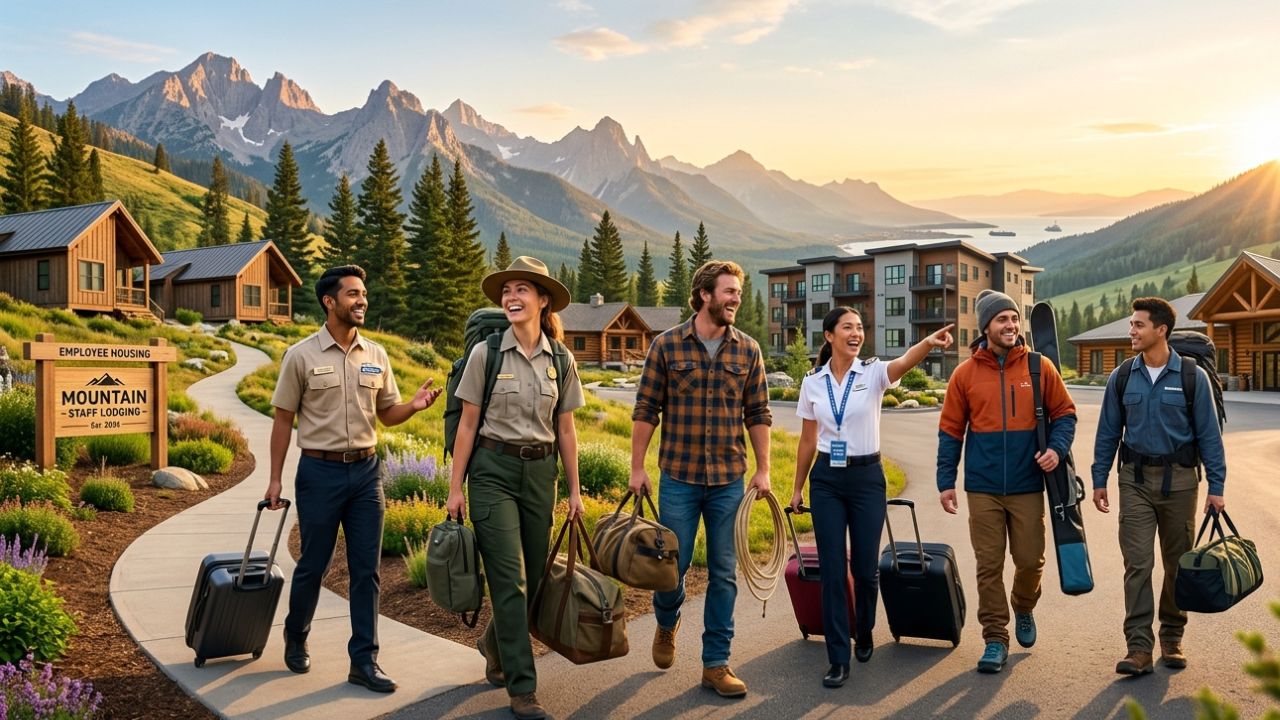
A lot of seasonal positions include free or subsidized housing. This is one of the biggest practical advantages of the lifestyle — you can save nearly everything you earn because your largest monthly expense is covered.
Who typically offers housing?
National park concessionaires, ski resorts, summer camps, remote ranches, eco-lodges, and some agricultural operations are the most common sources of seasonal jobs with housing included. In some cases, meals are also covered.
What to expect
Housing quality varies a lot. Some resorts offer private rooms in clean employee dorms. Others have shared bunk-style arrangements that feel more like a hostel. It's worth asking before you accept any offer — find out how many people you'll share a room with, what the kitchen situation is, and whether there's a cost deducted from your paycheck.
Common setups include shared dorm rooms with two to four people, private rooms in employee buildings, on-site cabins at parks and camps, and RV or van hookups on employer property for workers who travel with their own rigs.
What gets deducted
Many employers deduct a small weekly fee from your paycheck for housing and sometimes meals. It's usually far less than you'd pay renting anything nearby — but confirm the exact numbers upfront so your first paycheck isn't a surprise.
See all the positions that include free housing: find seasonal jobs with housing.
Learn more about labor rights from the U.S. Department of Labor
Common Mistakes to Avoid
Applying too late. Most people search in April for summer jobs. By then, the positions with housing are already gone and you're left with whatever's left. Start two to three months early and you'll have far better options.
Only checking one job board. The best seasonal roles aren't always on Indeed or LinkedIn. Niche platforms and direct employer career pages are where the real inventory lives. Use multiple sources.
Sending a generic resume. A resume built for a desk job doesn't translate well to a ski resort or national park application. Tailor it — even slightly — for each type of role. A few targeted changes make a real difference.
Not asking about housing upfront. Some listings say "housing available" but it's limited and first-come, first-served. If housing matters to your plan, ask specifically before you accept any offer.
Ignoring the real numbers on pay. Understand whether your pay is hourly, salary, or tips-based. If housing is deducted from your check, calculate what you'll actually take home each week before accepting. Some jobs that look great on paper pay less than you expect once deductions are factored in.
Treating it like a throwaway job. Seasonal work can lead to a great reference, a return offer, or a full-time position. Show up like it matters — because for your future options, it genuinely does.
Best Websites for Seasonal Work
A few notes on choosing the right one:
-
Start with VagaJobs if you want seasonal work that includes housing — it's the only platform built specifically around that combination.
-
Pair CoolWorks with VagaJobs if you're focused on outdoor or wilderness-based roles. The two together cover most of the national park and resort market.
-
Use USAJOBS early. Federal seasonal positions open in January and close fast. If you miss the window, you wait a full year.
-
HCareers is underrated for hospitality. Most people skip it and go straight to Indeed, but the listings here are more targeted and the competition is lower.
-
Workaway and WorldPackers are not jobs in the traditional sense — you won't get a paycheck. But if you're traveling on a tight budget and want accommodation covered, they're worth knowing about.
Ready to apply? Explore companies hiring seasonal staff now and take the next step.
Frequently Asked Questions
How much do seasonal jobs pay?
It depends on the role and industry. Retail and warehouse jobs typically start at or just above minimum wage. Outdoor guide roles, ski instructors, and skilled hospitality positions can pay $18–$25 per hour or more. When housing and meals are included, your effective earnings often look much better than the hourly rate suggests. Always calculate total compensation — not just the wage — before comparing offers.
Do you need experience to get a seasonal job?
Most entry-level seasonal positions don't require prior experience. Employers are usually looking for reliability, a good attitude, and the ability to work as part of a team. Specialized roles like ski instructors, wilderness guides, or medical staff do have specific requirements — but for general hospitality, retail, and outdoor work, you can apply without a long work history behind you.
What is the best time of year to find seasonal work?
It depends on what you're after. For summer jobs, start looking in January through March. For winter resort and holiday retail work, start in August or September. Agriculture follows planting and harvest cycles that vary by region. As a general guide, two to three months before your target start date is a safe window in any season.
Can foreigners get seasonal jobs in the US?
Yes, but you'll need the right visa. The most common options are the J-1 visa for cultural exchange and work programs, and the H-2B visa for temporary non-agricultural work. Many ski resorts and hospitality employers actively recruit international workers through J-1 programs. Start the visa process early — it can take several months and has annual cap limits.
Are seasonal jobs with free housing actually real?
Yes, they're real and fairly common in the outdoor and resort industries. National park concessionaires, ski resorts, summer camps, and remote lodges regularly offer free or low-cost housing as part of the employment package. Quality varies — it's usually shared employee housing, not a private apartment — but it's legitimate. On VagaJobs, you can filter specifically for roles that include housing so you're not reading through every listing to find out.