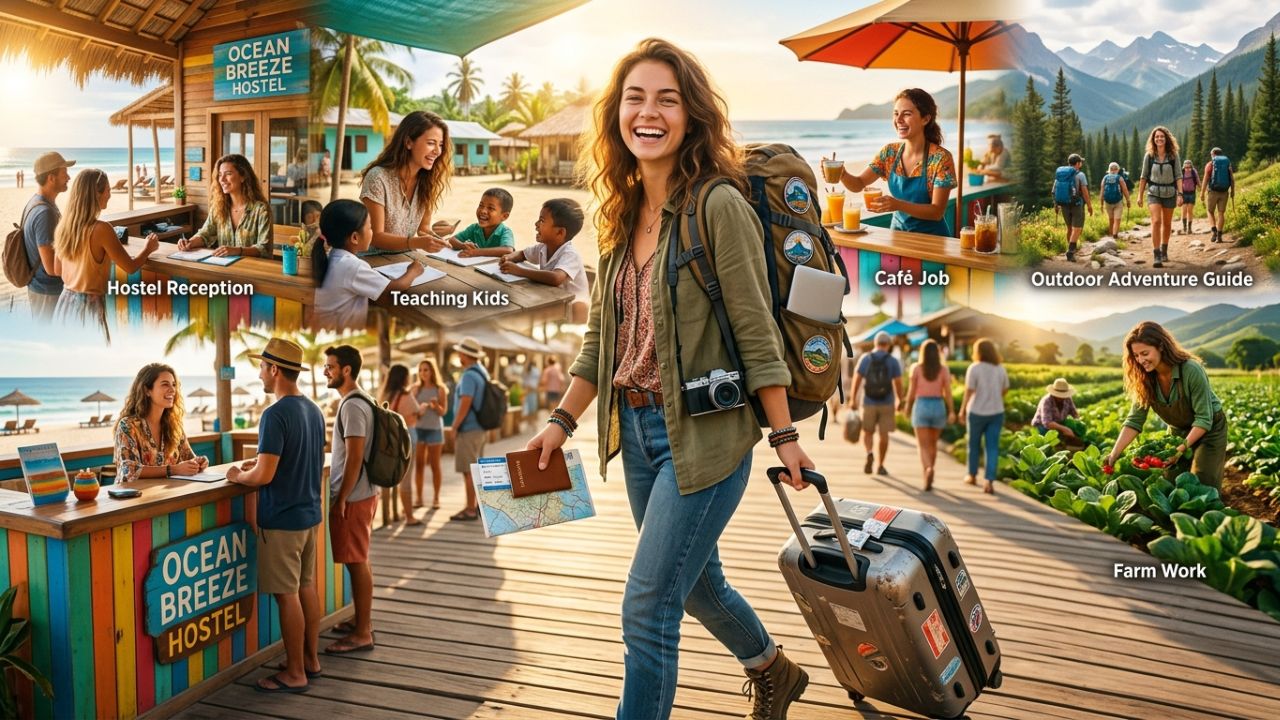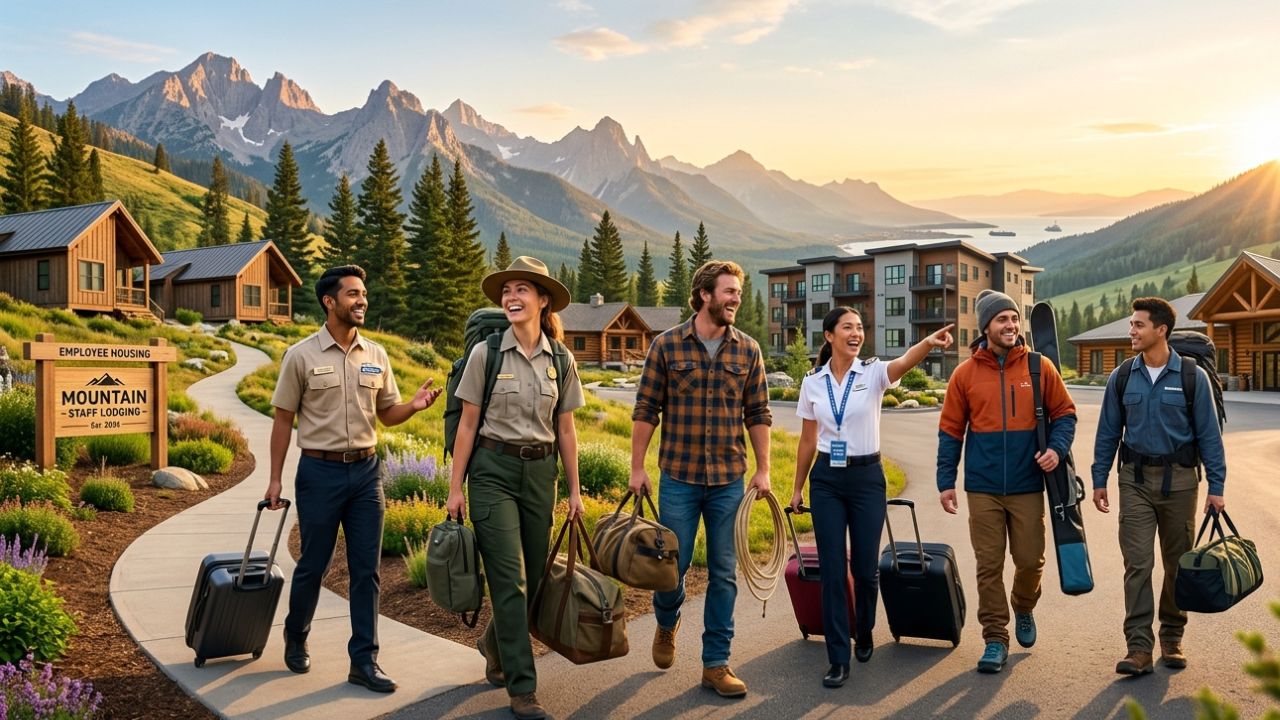
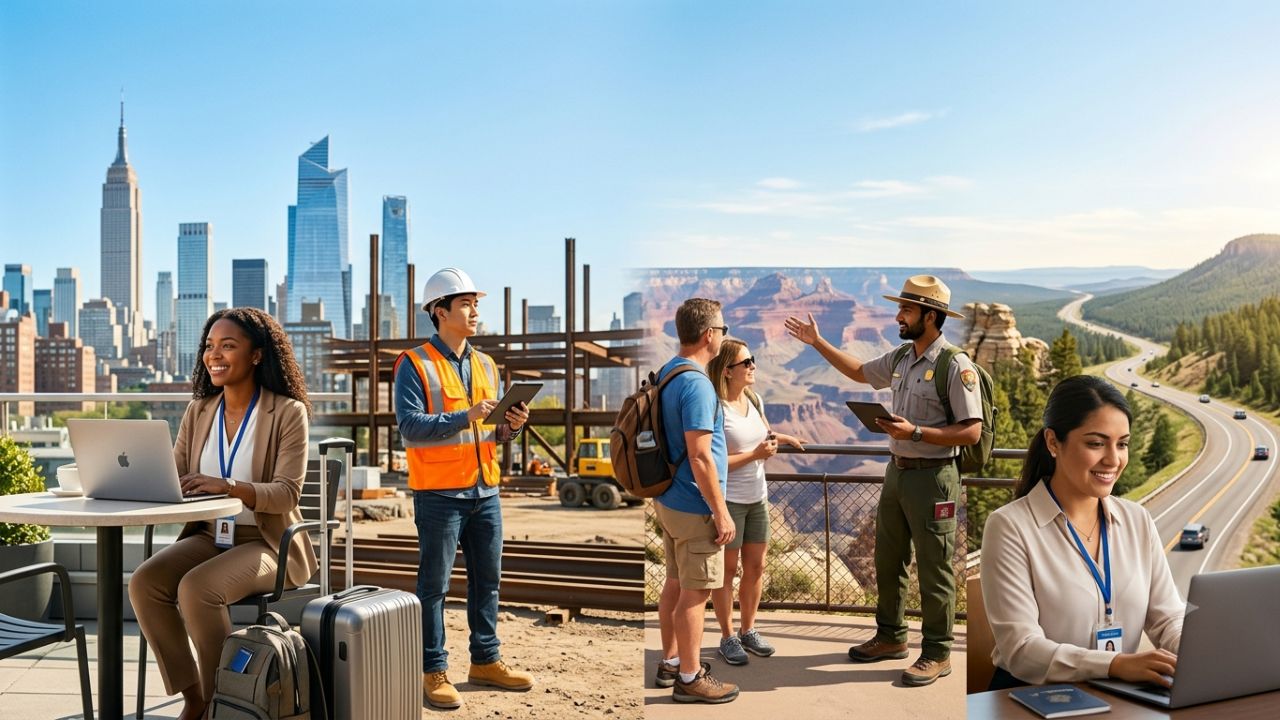
If you want to travel and work in the United States, you have more options than you think. Whether you're an international student, a skilled professional, or just someone looking for a fresh start — the USA has paths for you.
This guide breaks it all down simply. No fluff. Just what you need to know.
If you want flexible work while traveling, check our current seasonal job openings with housing.
Why People Choose the USA for Work and Travel
The USA is the world's largest economy. It has over 330 million people, thousands of cities, and a job market that covers almost every industry. But beyond jobs, it offers something else — variety.
You can work in New York finance and ski in Vermont on weekends. You can teach in Texas and road-trip through national parks. The combination of work culture and travel options is hard to beat.
Here's what draws people every year:
-
High wages compared to most countries
-
World-class national parks (63 in total)
-
Diverse cities with different lifestyles
-
Strong demand for skilled and seasonal workers
-
A culture that welcomes ambition
Types of Work Opportunities in the USA
1. Skilled Worker Visas (H-1B)
The H-1B visa is for professionals in specialty fields — tech, finance, engineering, medicine, and more.
-
Employer must sponsor you
-
Annual cap: 85,000 visas
-
Duration: 3 years, renewable to 6
-
Salary requirements apply
It's competitive. But if you work in tech or healthcare, the odds are better than most think.
For official details on visas, visit the U.S. Department of State Bureau of Consular Affairs.
2. Seasonal and Agricultural Work (H-2A and H-2B)
These visas are for temporary jobs in farming, hospitality, and tourism.
-
H-2A: Agricultural work (no cap)
-
H-2B: Non-agricultural seasonal work (66,000 cap per year)
-
Duration: Up to 1 year, sometimes extended
-
Employers handle most paperwork
This is a popular route for people from Mexico, the Philippines, and Jamaica. But the program is open to many nationalities.
3. J-1 Exchange Visitor Program
This is one of the most flexible options. The J-1 covers:
-
Au pairs
-
Summer work and travel
-
Interns and trainees
-
Camp counselors
-
Teachers and professors
-
Research scholars
If you're a student or young professional, this is worth serious attention. It lets you work legally while experiencing American culture.
Prepare well for your interviews with our complete guide: Seasonal Job Interview Questions & How to Prepare.
4. Work While Studying (F-1 OPT/CPT)
International students on an F-1 visa can work through two programs:
-
CPT (Curricular Practical Training): Work during your studies in a field related to your degree
-
OPT (Optional Practical Training): Work for up to 12 months after graduation (STEM graduates get up to 36 months)
Many international students use OPT as a bridge to an H-1B visa.
5. Remote Work and Digital Nomad Options
The USA doesn't have a dedicated digital nomad visa yet. But many foreign nationals work remotely for US companies while living abroad. And if you're already in the US legally, remote work options have exploded since 2020.
Top remote-friendly industries:
-
Software development
-
Content and marketing
-
Customer support
-
Design and UX
-
Finance and accounting
To understand if seasonal work is right for you, read our guide on the advantages and disadvantages of seasonal employment.
Best Cities for Work and Travel in the USA
New York City, New York
The financial and cultural capital of the world. It has the highest concentration of Fortune 500 companies. And despite the cost of living, salaries here match.
Best for: Finance, media, fashion, tech, healthcare
Austin, Texas
Austin has grown fast. No state income tax, a booming tech sector, and access to the Texas Hill Country for weekend trips.
Best for: Tech startups, music, outdoor lifestyle
San Francisco, California
Still the top destination for tech and venture capital. It's expensive, but salaries reflect that.
Best for: Tech, AI, biotech
Miami, Florida
Miami has become a real business hub. Lots of Latin American business flows through here. And the weather doesn't hurt.
Best for: Finance, real estate, international business, hospitality
Denver, Colorado
Denver attracts people who want solid career options without giving up outdoor access. It's close to the Rockies and has a growing tech scene.
Best for: Outdoor industry, tech, healthcare, energy
Not sure how to present your experience to employers? Check our guide on creating a winning seasonal work resume.
Top Travel Experiences You Can Combine with Work
Working in the USA doesn't mean staying in one place forever. Here's what's worth seeing:
-
National Parks: Yellowstone, Grand Canyon, Yosemite, Zion — these are stunning and often close to major cities
-
Road Trips: Route 66, Pacific Coast Highway, Blue Ridge Parkway
-
City Hopping: Fly cheaply between cities using budget carriers like Spirit, Frontier, or Southwest
-
Weekend Escapes: Most US cities have mountains, beaches, or natural areas within 2–4 hours
Americans take vacations shorter than most of the world, but the country itself rewards long weekends if you plan them right.
Many people start with part-time or seasonal roles. See more ideas in our article: Good Part-Time Jobs for Retirees (many also suit younger travelers).
How to Get Started: A Simple Step-by-Step Plan
Step 1: Identify your visa type
Match your situation to the right visa. Student? Go F-1. Skilled professional? Look at H-1B or O-1. Young person wanting cultural exchange? J-1 is a fit.
Step 2: Find a sponsor or program
Most US work visas require a US employer or program sponsor. Start job searching on LinkedIn, Indeed, or Glassdoor. For J-1, look at official exchange program sponsors.
Step 3: Prepare your documents
-
Valid passport
-
Proof of qualifications
-
Financial evidence
-
Sponsor's paperwork (DS-2019, I-129, etc.)
Step 4: Apply for your visa
Book a US consulate appointment in your home country. Prepare for the interview honestly and clearly.
Step 5: Plan your arrival
Sort housing before you land. Look at platforms like Furnished Finder, Zillow, or Facebook Marketplace for rentals. Know your rights as a worker in the US before you start.
Challenges to Know About
It's not all smooth. Here's what people often don't expect:
-
Healthcare costs: The US has no universal healthcare. Get private insurance. It's non-negotiable.
-
Tax complexity: US taxes are complicated. Use a CPA or tax software like TurboTax.
-
Visa caps and wait times: H-1B is a lottery. Start early and have a backup plan.
-
Cost of living in major cities: New York and San Francisco are genuinely expensive. Budget carefully.
-
Cultural adjustment: Work culture in the US moves fast. Directness is valued here.
Learn more about worker rights and taxes from the U.S. Department of Labor.
FAQs
1. Can I travel and work in the USA without a degree?
Yes. Many visa categories don't require a college degree. The H-2A and H-2B are available for seasonal workers. The J-1 Summer Work Travel program is open to students enrolled at foreign universities. And trade skills are in high demand — electricians, plumbers, and CDL truck drivers are all sought after.
2. How long does it take to get a US work visa?
It depends on the visa type. An H-1B takes 3–6 months through regular processing, or 2–3 weeks with premium processing (costs extra). A J-1 visa can be processed in a few weeks. An F-1 student visa can take 2–8 weeks depending on the consulate.
3. Is it possible to work in the USA legally without an employer sponsoring me?
In most cases, no. But there are exceptions. If you're a treaty investor (E-2 visa), an extraordinary ability professional (O-1 visa), or an entrepreneur, you may be able to self-petition. Some states also have startup visa pathways in development.
4. What are the best jobs for foreigners in the USA right now?
High-demand roles that sponsor foreign workers include:
-
Software engineers and data scientists
-
Registered nurses and healthcare professionals
-
Physical therapists
-
Civil and mechanical engineers
-
Financial analysts
-
University professors and researchers
5. Can I bring my family if I work in the USA?
Yes, in most cases. H-1B holders can bring spouses and children under 21 on an H-4 visa. H-4 spouses may be eligible to work if the H-1B holder has an approved I-140 petition. J-1 visa holders can bring dependents on a J-2 visa. J-2 dependents can also apply for work authorization.
You can find more real experiences and reviews on platforms like Glassdoor or Indeed.
Final Thoughts
The USA is a big country with real opportunity. But it takes planning. Understand your visa options, be honest about your finances, and research the city that fits your goals — not just the one that sounds exciting.
It's not the easiest path. But for millions of people every year, it works out.
Start with one step: figure out which visa applies to you. That decision shapes everything else.
Ready to find opportunities? Explore current jobs on VagaJobs now and take the first step.