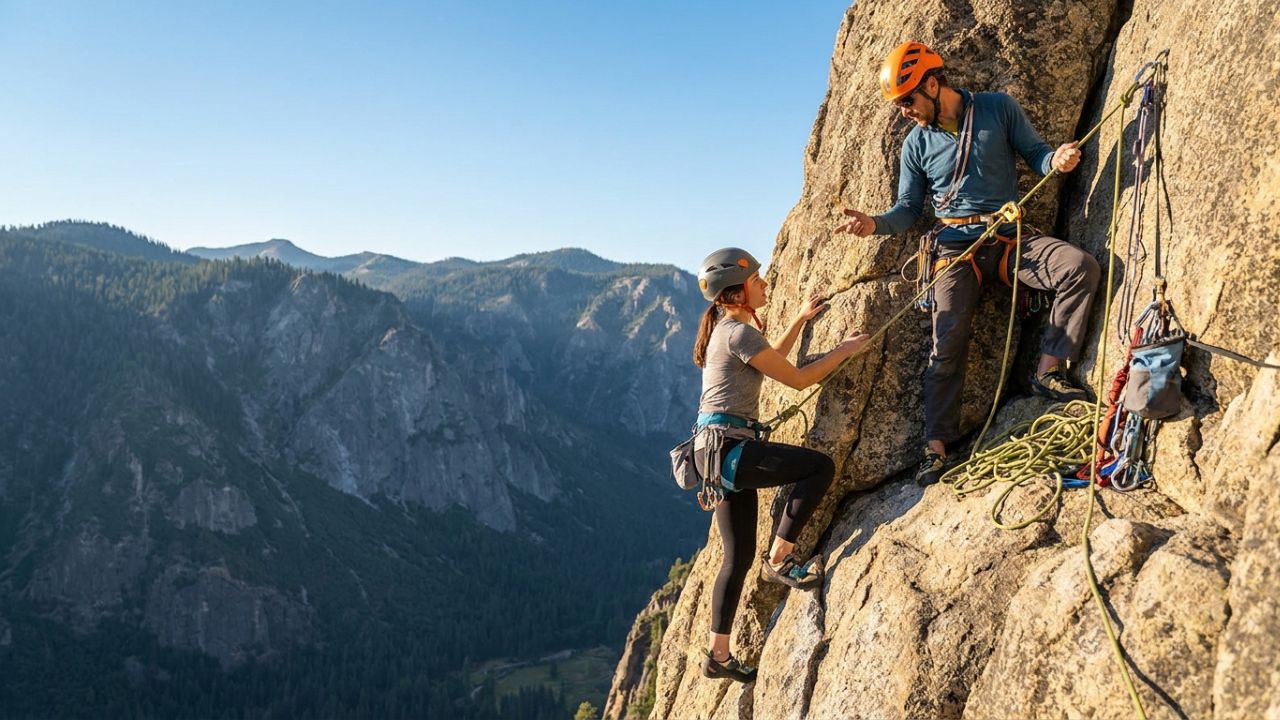
Rock climbing looks challenging when you first see it. People hanging from walls, moving across tiny holds, and reaching heights that seem impossible.
But here's the truth: almost anyone can start rock climbing.
You don't need to be extremely fit. You don't need expensive gear. And you don't need any experience.
Most climbers begin at an indoor climbing gym where they learn the basics in a safe environment. From there, they build strength, improve technique, and gain confidence one climb at a time.
Whether your goal is fitness, adventure, or simply trying something new, rock climbing offers a unique mix of physical activity and problem-solving that keeps people coming back.
This guide explains everything you need to know to get started, from choosing your first climbing gym to learning basic techniques and avoiding common beginner mistakes.
What Is Rock Climbing?
Rock climbing is a sport where you climb up, across, or over natural rock formations or artificial climbing walls.
The goal is simple: reach the top of a route using your hands, feet, balance, and technique.
Some people climb indoors for fitness. Others enjoy outdoor climbing for the adventure and scenery. Many climbers do both.
Indoor vs. Outdoor Climbing
Indoor climbing takes place at climbing gyms with artificial walls and safety systems.
Outdoor climbing happens on real rock formations such as cliffs, mountains, and boulders.
For beginners, indoor climbing is usually the best place to start. The environment is controlled, instructors are available, and equipment can often be rented.
Types of Rock Climbing
Not all climbing looks the same. There are several styles, and each offers a different experience.
Bouldering
Bouldering involves climbing shorter walls without ropes.
Because the walls are lower, thick crash pads are placed underneath to reduce the impact of falls.
Many beginners enjoy bouldering because it requires less equipment and focuses heavily on technique.
Top-Rope Climbing
Top-rope climbing uses a rope that runs through an anchor at the top of the wall.
A climbing partner manages the rope and helps protect the climber from falling.
This is one of the safest and most beginner-friendly forms of climbing.
Sport Climbing
Sport climbing involves clipping a rope into fixed bolts attached to the rock or climbing wall as you move upward.
It requires more skills and experience than top-rope climbing.
Traditional Climbing
Traditional climbing, often called "trad climbing," involves placing protective gear into cracks and rock features while climbing.
Most beginners do not start with trad climbing because it requires advanced knowledge and safety skills.
Free Solo Climbing
Free solo climbing means climbing without ropes or protective equipment.
Any fall can have serious consequences.
This style is only attempted by highly experienced climbers and should not be considered by beginners.
Can Beginners Start Rock Climbing?
Yes.
Most climbing gyms offer beginner classes that teach basic safety skills, climbing techniques, and equipment use.
You can often start with rented gear and a short introduction session. Many people complete their first climb on the same day they visit a gym.
The hardest part is usually walking through the door for the first time.
Why Start Rock Climbing?
People begin climbing for different reasons. Some want a new workout. Others want an outdoor hobby. Many simply enjoy the challenge.
Whatever the reason, climbing offers benefits that go beyond physical fitness.
Physical Benefits
Rock climbing works almost every major muscle group.
Your legs push you upward. Your core helps you stay balanced. Your back, shoulders, and arms help you control movement.
Over time, climbing can improve:
-
Strength
-
Balance
-
Coordination
-
Flexibility
-
Endurance
-
Grip strength
Unlike many gym workouts, climbing keeps both your body and mind active at the same time.
Mental Benefits
Every climbing route is like a puzzle.
You need to decide where to place your hands, where to step next, and how to move efficiently.
This problem-solving aspect keeps climbing interesting.
Many climbers also find that climbing helps reduce stress because it requires full concentration. When you're focused on the wall, everyday distractions tend to fade into the background.
Social Benefits
Climbing is often more social than people expect.
Climbers encourage each other, share tips, and celebrate progress together.
Even if you arrive alone, it's common to meet climbing partners and make friends at the gym.
Many climbing communities are welcoming to beginners and happy to help newcomers learn.
View Vagajobs rock climbing guide jobs
Is Rock Climbing Safe for Beginners?
Rock climbing involves risk, but it is generally considered safe when proper safety procedures are followed.
Indoor climbing gyms are designed to help beginners learn safely under supervision.
Like any sport, injuries can happen. Most climbing injuries are minor and often result from poor technique, overtraining, or skipping safety checks.
Common Risks
Some of the most common climbing-related issues include:
-
Minor falls
-
Scrapes and bruises
-
Finger strain
-
Shoulder strain
-
Tendon injuries from overuse
How to Reduce Risk
You can greatly reduce risk by following a few basic rules.
-
Learn from qualified instructors
-
Double-check equipment before climbing
-
Warm up properly
-
Progress gradually
-
Use correct climbing techniques
-
Follow gym safety rules
-
Rest when needed
Good climbing habits matter more than strength.
A climber with excellent technique is often safer and more efficient than someone who relies only on physical power.
Where Should Beginners Start Rock Climbing?
For most people, the best starting point is an indoor climbing gym.
Climbing gyms provide structured learning, rental equipment, and a safe environment for building skills.
You can focus on climbing without worrying about outdoor hazards, weather conditions, or complex rope systems.
Benefits of Indoor Climbing Gyms
Indoor gyms offer several advantages for beginners.
-
Equipment rentals
-
Introductory classes
-
Trained instructors
-
Controlled environment
-
Routes for all skill levels
-
Year-round access
Many gyms also offer beginner packages that include equipment and instruction.
When Should You Try Outdoor Climbing?
Outdoor climbing can be an exciting next step once you've learned basic climbing skills.
Before climbing outdoors, it's important to understand safety systems, anchor setups, and environmental hazards.
Many climbers take guided outdoor courses before making the transition.
Learning outdoors with experienced climbers is often the safest approach.
Rock climbing is a skill that develops over time.
You don't need to be strong enough to climb difficult routes on your first day. You only need to start.
A few climbs each week, combined with good technique and patience, can lead to steady improvement faster than most beginners expect.
Essential Rock Climbing Gear for Beginners
One of the biggest myths about climbing is that you need a lot of expensive gear to get started.
You don't.
Most climbing gyms rent equipment, which means you can try climbing before buying anything.
Climbing Shoes
Climbing shoes are designed to help you stand on small footholds and maintain better grip on the wall.
They fit more snugly than regular shoes, but they should not be painfully tight.
If you're new to climbing, rental shoes are usually good enough for your first few sessions.
Climbing Harness
A harness is worn around your waist and legs. It connects you to the rope during top-rope and sport climbing.
Most gyms include harness rentals in beginner packages.
Chalk and Chalk Bag
Climbers use chalk to keep their hands dry.
Dry hands improve grip and make it easier to hold onto climbing holds.
A chalk bag attaches around your waist for easy access while climbing.
Belay Device
A belay device helps control the rope and protect the climber in case of a fall.
You usually won't need to buy one immediately because gyms often provide them during beginner classes.
Locking Carabiner
A locking carabiner works with a belay device to create a secure climbing system.
As you gain experience, you'll likely own several carabiners.
Helmet
Helmets are essential for outdoor climbing.
Indoor climbers typically do not wear helmets, but outdoor climbers should never skip this piece of safety equipment.
Should You Buy Gear Right Away?
Not usually.
Rent equipment for a few weeks first.
Once you're sure you enjoy climbing, start by purchasing climbing shoes. They make the biggest difference in comfort and performance.
How to Start Rock Climbing Step by Step
Starting rock climbing is easier than many people think.
Here's a simple path that works for most beginners.
Step 1: Visit a Climbing Gym
Search for a climbing gym near you and book an introductory session.
Most gyms welcome beginners and provide equipment rentals.
Don't worry if you've never climbed before. Instructors expect that.
Step 2: Take a Beginner Class
A beginner class teaches:
-
Basic safety procedures
-
How climbing equipment works
-
Common climbing commands
-
Simple climbing techniques
This foundation helps you climb safely and build confidence.
Step 3: Learn Basic Safety Checks
Before every climb, climbers perform safety checks.
This includes checking:
-
Harness buckles
-
Rope attachment points
-
Belay device setup
-
Partner communication
Developing this habit early is important.
Step 4: Focus on Technique, Not Strength
Most beginners try to pull themselves up using only their arms.
That usually leads to quick fatigue.
Good climbers use their legs, balance, and body position to move efficiently.
Technique matters more than strength in the beginning.
Step 5: Climb Consistently
You don't need to climb every day.
Two or three sessions per week is enough for most beginners.
Consistency helps you improve faster than occasional long sessions.
Step 6: Learn From Other Climbers
Watch experienced climbers.
Notice how they move, position their feet, and conserve energy.
You can learn a lot just by observing.
Step 7: Set Small Goals
Instead of focusing on difficult routes, aim for small wins.
Examples include:
-
Completing your first route
-
Improving foot placement
-
Climbing one grade harder
-
Building confidence with heights
Small goals create steady progress.
Basic Rock Climbing Techniques Every Beginner Should Learn
Strong technique makes climbing easier and safer.
These skills will help you progress faster than simply trying to build strength.
Trust Your Feet
Your legs are stronger than your arms.
Many beginners ignore their feet and rely too much on pulling.
Focus on placing your feet carefully and pushing upward with your legs.
Keep Your Arms Straight
Straight arms require less energy than bent arms.
When possible, hang from your skeleton rather than constantly flexing your muscles.
This helps you climb longer without getting tired.
Look Ahead
Before making a move, look for your next handhold and foothold.
Planning ahead reduces wasted movement.
Shift Your Weight
Good climbers move their hips and body position to stay balanced.
Sometimes moving your hips closer to the wall makes a difficult move much easier.
Climb Smoothly
Avoid rushing.
Controlled movements use less energy and improve balance.
Think about climbing quietly and precisely.
Use Three Points of Contact
Whenever possible, keep three points of contact with the wall.
For example:
-
Two feet and one hand
-
Two hands and one foot
This increases stability and control.
Common Beginner Mistakes
Almost every new climber makes these mistakes.
The good news is that they're easy to fix.
Using Too Much Arm Strength
This is the most common beginner mistake.
Your legs should do most of the work.
Push upward rather than pulling yourself up.
Ignoring Footwork
Many beginners focus only on handholds.
But foot placement often determines whether a route feels easy or difficult.
Watch your feet and place them carefully.
Climbing Too Fast
Moving quickly usually wastes energy.
Slow, deliberate movements are more efficient.
Skipping Warm-Ups
Cold muscles and tendons are more likely to get injured.
Spend a few minutes warming up before climbing.
Comparing Yourself to Others
Every climber progresses at a different pace.
Focus on your own improvement rather than comparing yourself to stronger climbers.
Trying Hard Routes Too Soon
Progress gradually.
Master easier routes before moving to more difficult climbs.
Beginner Rock Climbing Training Plan
You don't need a complicated training program.
The goal during your first few months is to build technique and consistency.
Weeks 1–2
Focus on:
-
Learning safety basics
-
Becoming comfortable on the wall
-
Practicing footwork
Climb 1–2 times per week.
Weeks 3–4
Focus on:
-
Better balance
-
Efficient movement
-
Reading routes before climbing
Climb 2–3 times per week.
Months 2–3
Focus on:
-
Building endurance
-
Improving climbing technique
-
Trying different climbing styles
Continue climbing 2–3 times weekly.
After Three Months
At this stage, many beginners notice:
-
Better grip strength
-
Improved confidence
-
Easier movement on the wall
-
Faster route completion
The key is consistency.
How Much Does It Cost to Start Rock Climbing?
Rock climbing can be surprisingly affordable.
Typical Beginner Costs
Day Pass
-
$15–$35
Equipment Rental
-
$5–$15
Introductory Class
-
$20–$75
Buying Your Own Gear
Climbing Shoes
-
$80–$150
Harness
-
$50–$100
Chalk Bag and Chalk
-
$15–$40
Most beginners spend less than they expect during their first few months.
How Long Does It Take to Get Good at Rock Climbing?
It depends on how often you climb.
Most beginners notice clear improvement within the first month.
After three months of regular climbing, many people feel significantly more confident and capable.
The biggest improvements usually come from better technique rather than increased strength.
Remember, climbing is a long-term skill.
Even experienced climbers continue learning years after they start.
USA Climbing (national governing body)
Final Thoughts
Starting rock climbing doesn't require exceptional strength, expensive gear, or previous experience.
What matters most is showing up and learning the basics.
Begin at an indoor climbing gym, focus on safety, and spend time developing good technique.
Don't worry about climbing difficult routes right away.
Learn how to move efficiently. Trust your feet. Climb consistently.
Progress will come naturally.
And before long, the routes that once looked impossible will start to feel manageable.
That's one of the things that makes climbing so rewarding.
FAQ
Can I start rock climbing with no experience?
Yes. Most climbing gyms offer beginner classes and equipment rentals, making it easy to start without prior experience.
Do I need to be fit before starting rock climbing?
No. Climbing helps build fitness over time. Many beginners start with average fitness levels and improve as they climb.
What age can you start rock climbing?
People of nearly all ages can climb. Many gyms offer programs for children, teens, adults, and older climbers.
Is bouldering or rope climbing better for beginners?
Both are beginner-friendly. Bouldering requires less equipment, while top-rope climbing often feels safer because you're attached to a rope.
How often should beginners climb?
Two or three sessions per week is enough for most beginners to make steady progress.
Is rock climbing dangerous?
Rock climbing carries some risk, but following proper safety procedures and learning from qualified instructors makes it much safer.
Can I learn rock climbing by myself?
It's best to learn from instructors or experienced climbers, especially when ropes and safety systems are involved.
What muscles does rock climbing work?
Rock climbing works your legs, back, shoulders, arms, core, and grip strength while also improving balance and coordination.